
 Türkçe


Chevron Springs
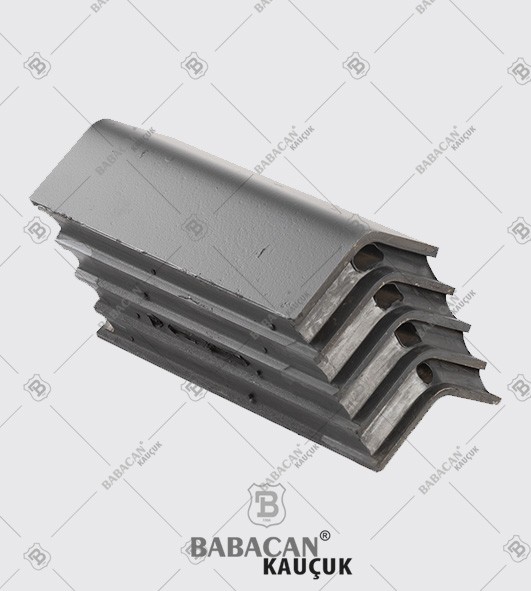
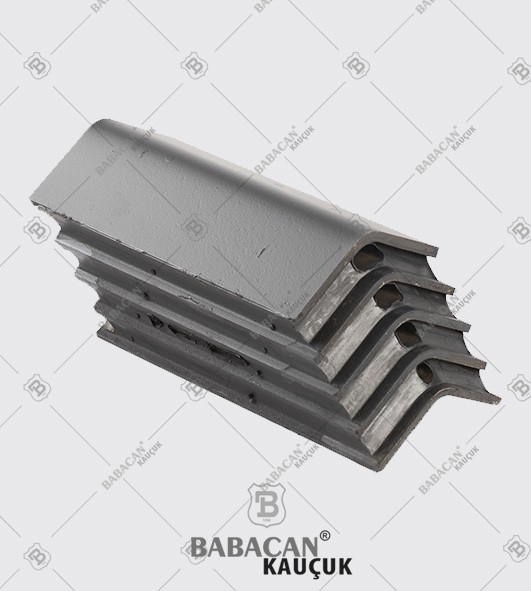
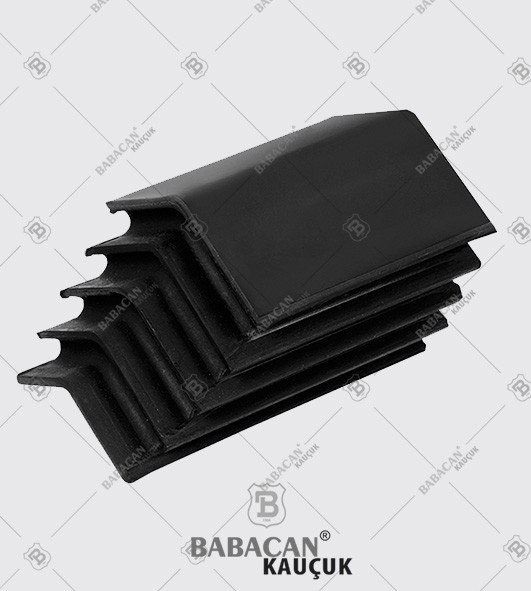
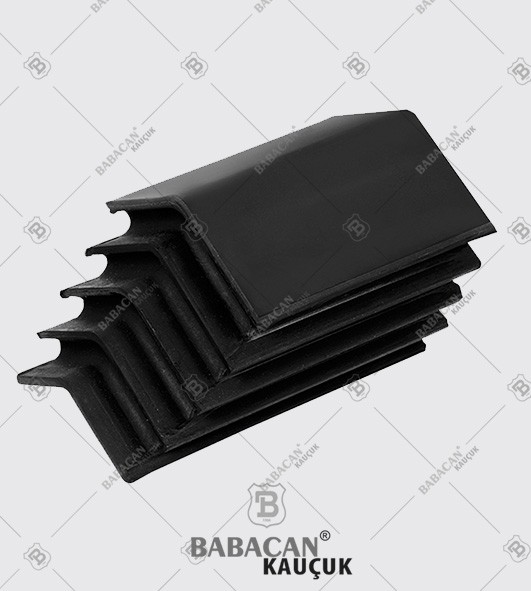
Chevron springs — also called V-springs, rubber chevron springs or wedge springs — are bonded rubber-to-metal elements used in the primary suspension of railway bogies. Babacan Rubber manufactures replacement chevron springs to customer drawings, samples and OEM reference numbers for metro, light rail, tram, locomotive and freight wagon applications.
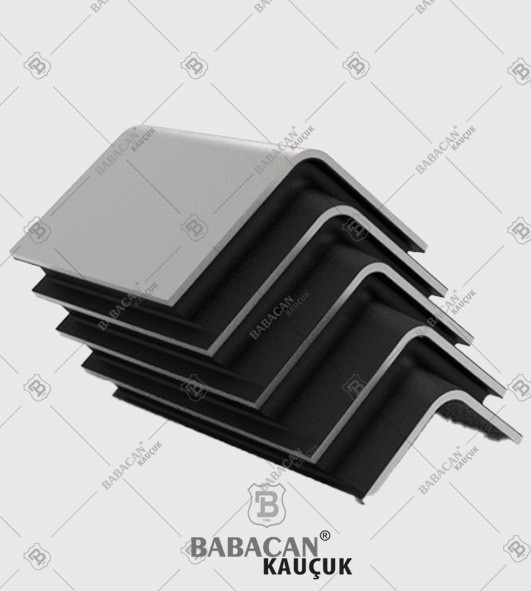
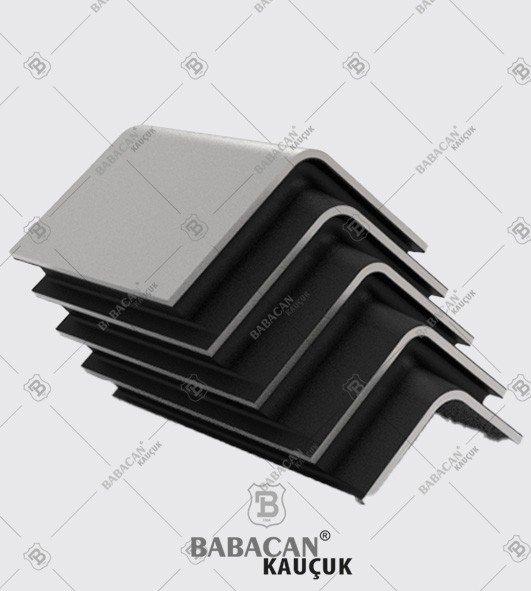
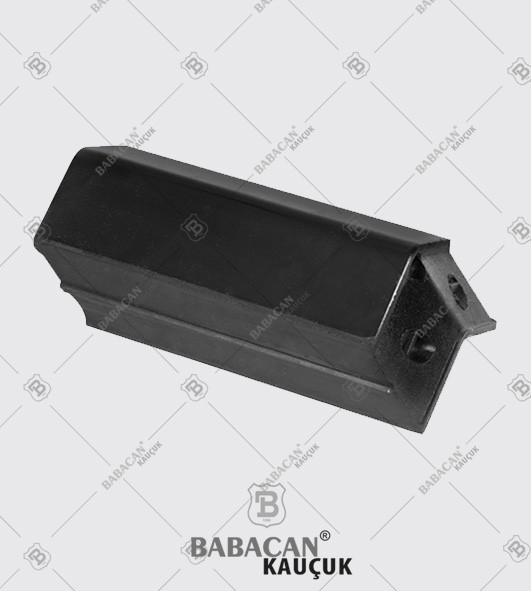
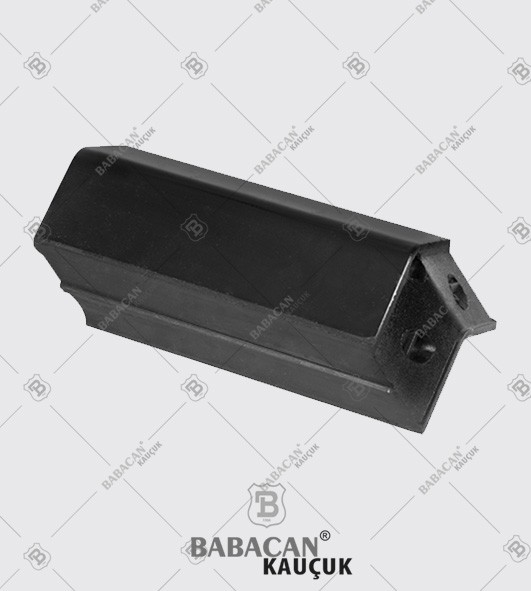
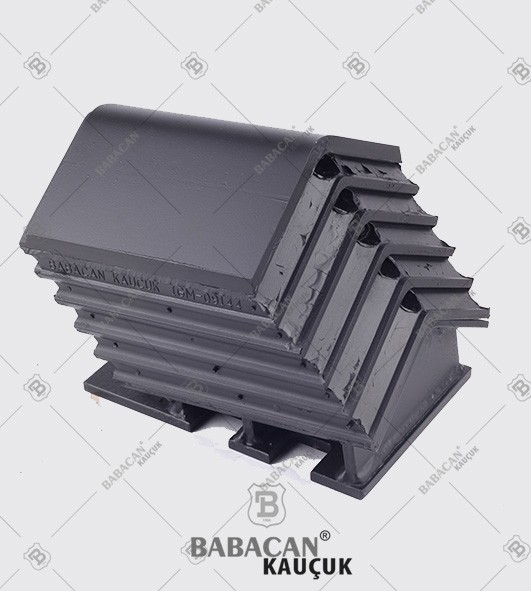
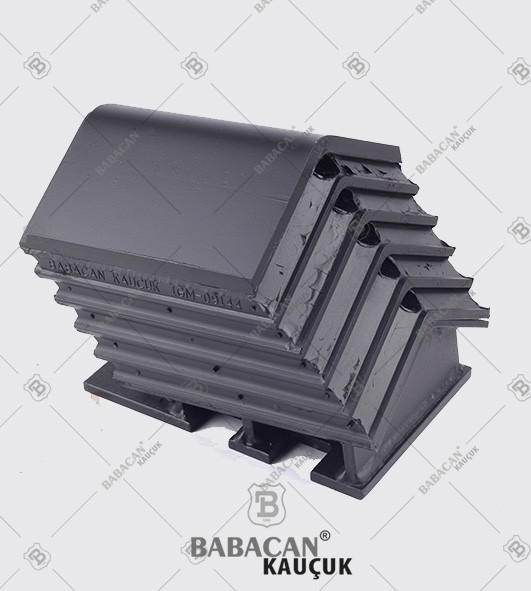
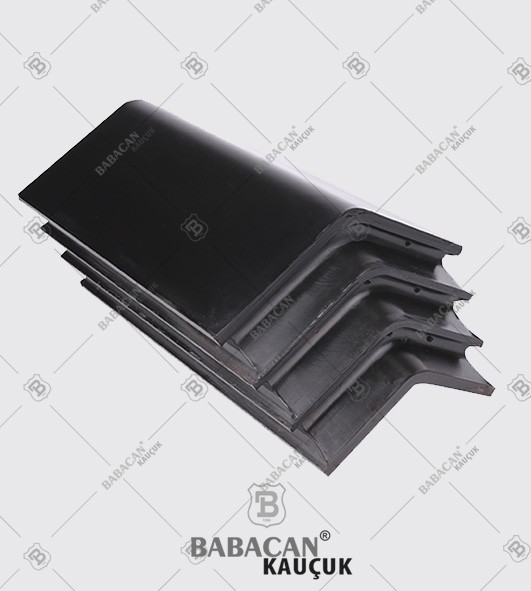
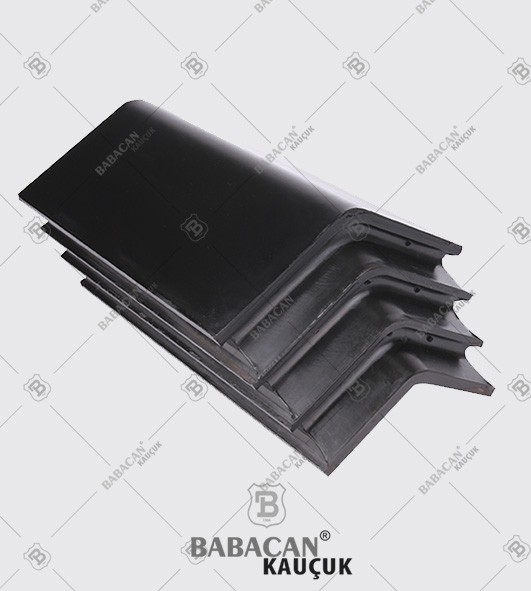
Rubber Chevron Springs
Our range of Large Elastomers (Chevrons) meets the highest standards of quality which provides them superior performance for a longer period of time. Available in flexible designs and superior quality our rubber Large Elastomers (Chevrons) are offered as per the requirements of our clients at industry leading prices.
Chevrons are robust rubber/metal laminated assemblies designed to absorb high levels of shock and vibration over an extended service life. They are fitted in pairs on either side of the axle box as the primary suspension of the bogie. This provides vertical suspension, and acts as a guide for the wheelsets in the horizontal directions with no maintenance or wearing surfaces. This feature is critical for the operating environment of this application Structure-borne noise transmission is reduced by the rubber elements and a rubber buffer, mounted on top of each axlebox limits the vertical deflection between the frame and the wheelset under extreme loading conditions.
Chevron Springs are operating world wide in a diversity of service applications including LRV, Metro, Freight wagons, High Speed Passenger Coaches
and Locomotives. Axlebox load capacities range from 16 kN to 120 kN and vertical deflections from 12mm to 100 mm.
Chevron Springs provide three modes of flexibility for axlebox primary suspensions.
Suspension properties are achieved by fitting the springs in a ’vee’ configuration enabling shear and compression compliance within the rubber elements.
Improved ride characteristics are provided with the advantages of simplicity, long service life and low maintenance costs. Abutting end plates can be produced in light alloy to match with similar material interfaces at the axlebox or vehicle frame.
At the design stage the included angle of the chevron metal plate can be varied between 90 deg. and 140 deg.. To provide specific optimised stiffness characteristics
requested bogie designers.
Bearer Springs provide a bearing medium between rail vehicle bodies and bogies and are operating worldwide in various suspension applications including locomotives, passenger and freight vehicles.
Conventional circular and rectangular bearer springs are designed to support the vehicle body in their compression mode whilst allowing horizontal, lateral and rotational bogie movements by virtue of the more flexible shear mode.
Waisted Type Bearer Springs offer optimised performance within limited space envelopes, particularly where large horizontal displacements require to be accommodated. Further ranges of springs, i.e. Hourglass and
Half-Hourglass Bearer Springs with unique performance characteristics are also detailed in this publication.
What is a chevron spring?
A chevron spring is a layered rubber-metal component: several rubber layers are vulcanized between shaped steel plates, and the assembly is formed into a "V" (chevron) profile. Chevron springs are usually installed in pairs on each side of the axlebox. This arrangement carries the vertical load of the vehicle while giving controlled stiffness in the lateral and longitudinal directions, which helps with ride comfort, wheel–rail wear and noise.
Where chevron springs are used
- Primary suspension of metro, light rail and tram bogies
- Locomotive and passenger coach bogies of European design
- Freight wagon bogies using rubber primary suspension
- Rebuild and overhaul programs where the original spring is obsolete or has long lead times
Our manufacturing capabilities
- Made to drawing, sample or OEM reference number. Send us the part number, a drawing or a used sample and we will quote a replacement.
- Compounds: natural rubber (NR) based compounds for low heat build-up and long fatigue life; other elastomers on request.
Reference project: 1,800 chevron springs supplied to Bombardier vehicles for the Ankara Metro. See our track record.
How to order a replacement chevron spring
- Send the OEM part number, drawing or photos of the existing spring (with dimensions).
- Tell us the vehicle type and bogie, the required stiffness values if known, and the quantity.
- We confirm feasibility, tooling needs and lead time, and send a quotation.
Shipping to the USA
We export rubber suspension and anti-vibration parts worldwide, including to the United States. Incoterms and shipping method are agreed per order.
Related products: Rail Systems Spare Parts · Primary Suspension · EN 45545-2 Fire Safety
Chevron Springs (Chevron Mounts) – Advanced Vibration Damping for Railway Systems
Chevron springs, also known as chevron mounts, are multifunctional suspension components used in metro systems, freight wagons, high-speed trains, light rail vehicles (LRVs), and locomotives. Installed between the bogie and axle box, they effectively isolate vertical, horizontal, and longitudinal vibrations.
These springs are essential for ensuring ride comfort, mechanical stability, and extended component life, making them a preferred choice in modern rail vehicles.
Chevron Springs by Babacan Rubber – Precision and Durability
Babacan Rubber was the first Turkish manufacturer to produce chevron springs in 2009. A total of 1,800 units were successfully supplied for Bombardier metro vehicles of the Ankara Metropolitan Municipality.
Key Production Features at Babacan Rubber:
- ✓ FEA (Finite Element Analysis) for structural integrity validation
- ✓ Rubber compounds proven through real-world performance
- ✓ S355 J2+N grade steel for strength and durability
- ✓ In-house mold design and tooling capabilities
- ✓ Transfer molding process under controlled conditions
- ✓ Corrosion-resistant painting and laser part marking
Testing & Quality Assurance
Every chevron spring is subjected to extensive testing to ensure top-level performance:
- ✓ Mechanical tests
- ✓ Rheometer analysis
- ✓ Abrasion resistance testing
- ✓ Aging simulation
- ✓ Density measurement
- ✓ Life (fatigue) test
- ✓ Hardness measurement
- ✓ Vertical stiffness test with dedicated equipment
Application Areas
- ✓ Metro systems
- ✓ Light Rail Vehicles (LRVs)
- ✓ Freight wagons and cargo trains
- ✓ High-speed trains
- ✓ Locomotives and mainline railcars
Why Choose Babacan Rubber Chevron Springs?
- ✓ Turkey's first domestic manufacturer
- ✓ Over a decade of proven field performance
- ✓ Delivered with complete quality and testing documentation
- ✓ Low maintenance, long service life
- ✓ Manufactured to international railway standards
With engineering excellence and strict quality control, Babacan Rubber's chevron springs are among the most effective vibration isolation solutions in modern rail systems.
For further information, feel free to contact us here.
Specifications
| Rubber compound | NR, SBR or EPDM (per application) |
| Hardness | 40–90 Shore A |
| Metal reinforcement | S355 J2+N grade steel |
| Production method | Transfer molding, in-house mold design |
| Validation | FEA plus mechanical, fatigue, hardness and vertical stiffness tests |
| Applications | Metro, LRV, freight wagons, high-speed trains, locomotives |
Applications
| Vehicle type | Chevron spring role |
|---|---|
| Metro | Primary suspension |
| Light rail (LRV) | Primary suspension |
| Freight wagon | Suspension / load carrying |
| High-speed train | Suspension |
| Locomotive | Suspension |
Frequently Asked Questions
What is the difference between a chevron spring and a coil spring?
A coil spring is a steel spring that mainly works in the vertical direction. A chevron spring is a bonded rubber-metal element whose V-shape gives controlled stiffness in the vertical, lateral and longitudinal directions at the same time, and it also damps vibration and structure-borne noise.
Can you make a chevron spring from an OEM part number only?
Often yes, if the part number is in our reference database. Otherwise we need a drawing or a sample with dimensions and, ideally, the required stiffness values.
When should chevron springs be replaced?
Follow the vehicle maintenance manual. Typical signs are cracks or separation between rubber and metal, permanent set (loss of height), and changes in ride height or axle alignment.
Do you ship chevron springs to the United States?
Yes. We export to the USA and other markets. Lead time and shipping terms are confirmed with each quotation.
Are your chevron springs original equipment?
No. Babacan Rubber manufactures aftermarket replacement parts. OEM names and part numbers are used for reference only.
Who manufactures chevron springs in Turkey?
Babacan Rubber manufactures chevron springs and was the first Turkish manufacturer to produce them, in 2009 — including 1,800 units supplied to Bombardier metro vehicles for Ankara. They are produced in-house using transfer molding with S355 J2+N grade steel.
What testing is performed on chevron springs?
Chevron springs undergo Finite Element Analysis (FEA) and a full test suite: mechanical tests, rheometer analysis, abrasion resistance, aging simulation, density measurement, fatigue/life testing, hardness measurement and vertical stiffness testing.